Standardized adult autism diagnosis. Affirming therapy. Trusted forensic and legal partnership. For women who were missed, misdiagnosed, or are only now discovering they're autistic.

Adult autism evaluation using validated protocols — not symptom-checklists alone. Forensic and court-ordered evaluations available.
Explore Assessments →
Affirming therapy for neurodivergent adults, couples, and families — including late-diagnosed women navigating a new understanding of themselves.
Explore Therapy →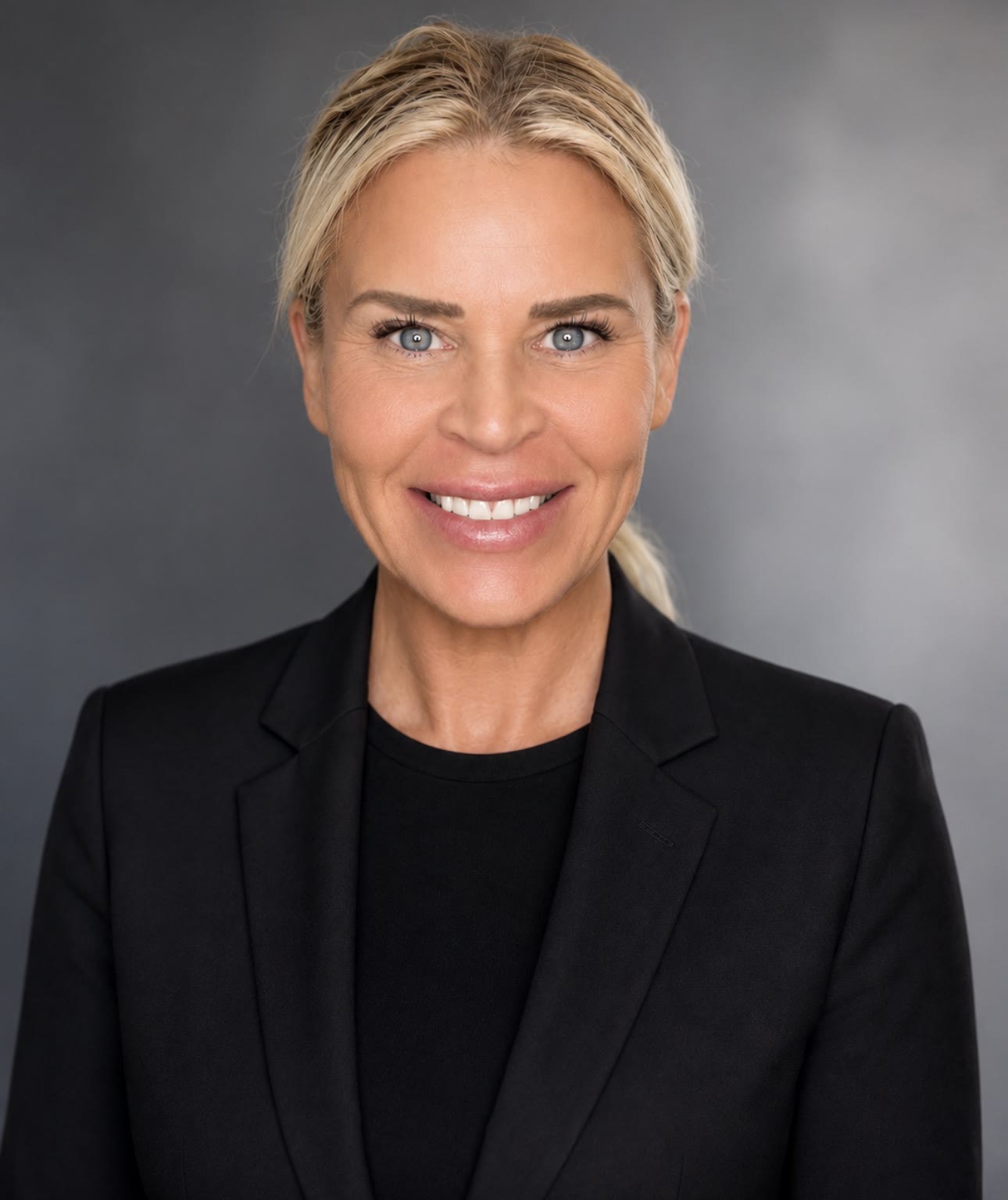
Dr. Stephanie Reynolds, Psy.D., is a licensed psychologist and the founder and clinical director of The Reynolds Institute, specializing in the assessment and treatment of autism in adult women. Rather than relying on symptom checklists alone, Dr. Reynolds uses standardized, evidence-based assessment protocols built to detect autism even in women who have spent years — often a lifetime — compensating socially.
She serves as a state-appointed subject matter expert on Arizona's DDD Oversight Committee, and brings more than 20 years of clinical experience across clinical, family, and forensic settings.
Autism has historically been studied, diagnosed, and normed on boys and men. As a result, many women reach adulthood — often after years of therapy, medication, and inaccurate labels — before anyone recognizes autism as the underlying explanation. Camouflaging, sometimes called masking, allows many autistic women to appear neurotypical during a short clinical observation, which is a major reason autism is missed by providers who rely on observation alone.
A thorough, defensible autism assessment for adult women goes beyond a single questionnaire or a brief observation. Dr. Reynolds's assessment protocol integrates multiple standardized measures and a full developmental history:
A structured clinical interview and comprehensive developmental history — your whole story, not a snapshot.
The standardized observational assessment used in rigorous adult autism evaluation.
Including the RAADS-R and the Autism-Spectrum Quotient (AQ) — instruments validated for adults.
Captures the compensatory strategies that can hide autistic traits during a brief observation.
Distinguishing autism from — or identifying its overlap with — ADHD, anxiety, trauma, BPD, and previously assigned diagnoses.
Clear, defensible, and suitable for treatment planning, workplace or academic accommodations, or legal, medical, or personal use.
The Institute also serves attorneys, courts, and agencies navigating cases where neurodivergence is part of the picture — with the same standardized rigor, delivered by a court-experienced evaluator.
Many women reach adulthood without ever hearing the word "autism" applied to them — labeled anxious, "too sensitive," or misdiagnosed instead. Therapy here is not about learning to mask better. It's about identity integration: understanding a lifetime of experience through the right lens, and building a life that doesn't require performing to be believed.
Reducing camouflaging costs and recovering from autistic burnout — learning how to stop when you've never been allowed to.
Revisiting prior diagnoses and treatment through an autism-informed lens — and unwinding years of labels that never quite fit.
Disclosure decisions and accommodation scripts for work and relationships — advocating for yourself without apology.
Mapping sensory profiles and rebuilding interoceptive awareness — trusting your own body's signals again.
Our approach: therapy here starts from acceptance, not correction. The goal isn't to help you appear more neurotypical — it's to help you build a life around who you actually are.
Discuss history, concerns, and goals for the assessment.
Structured interview, standardized testing, and history-gathering across multiple sessions.
A clear diagnostic feedback session and a detailed written report.
Optional individual, couples, or parent-focused therapy informed by the findings.
If you have a patient or client who may be autistic and has been missed by prior evaluations — or who needs a standardized, defensible assessment — I welcome the opportunity to discuss a referral.
Request a Referral DiscussionOnline screenings can be a helpful starting point, but they aren't diagnostic on their own. A comprehensive assessment combines a structured clinical interview, standardized observational and self-report measures, and a full differential diagnostic evaluation — the kind of evidence a diagnosis, treatment plan, or accommodation request can actually stand on.
Yes. This is common for women, especially when a prior evaluation relied on a single tool or a brief, observation-only assessment that didn't account for camouflaging or a full developmental history.
The full process typically spans multiple sessions — a clinical interview, standardized testing, and a feedback session — so we can be thorough rather than rushed. Exact timing is discussed at your initial consultation.
Yes. Every assessment concludes with a detailed written report you can use for your own understanding, treatment planning, workplace or academic accommodations, or legal purposes when applicable.
Both. Dr. Reynolds provides ongoing individual, couples, and parent-focused therapy informed directly by your assessment findings, so treatment isn't disconnected from diagnosis.
Please contact our office to discuss current accepted plans and private-pay options.
The Reynolds Institute serves Scottsdale, Paradise Valley, and the greater Phoenix, Arizona area.
Call (480) 442-8340 or email info@thereynoldsinstitute.com to get started.
Schedule an AssessmentThis page is for informational purposes and does not establish a professional relationship or constitute a diagnosis. For urgent matters, please call our office directly.
Stephanie Reynolds, Psy.D. — Licensed Psychologist — State-appointed DDD subject matter expert — Biltmore & Scottsdale, AZ
Specialized expertise in neurodivergence across clinical and forensic settings.